
Timber, Steel or Aluminium? Picking the Best Fence for Australian Conditions
A fence does a lot of quiet work. It marks your boundary, keeps kids and pets safe, adds privacy, blocks wind and noise, and plays a big part in how your home looks from the street. Yet many homeowners don’t think much about fencing until an old one starts leaning, rotting or rusting, and then they’re faced with a surprising number of decisions.
Australian conditions are tough on outdoor structures. Harsh sun, salty coastal air, termites, heavy rain, bushfire risk and big swings in temperature all take their toll. Choosing the right fencing materials for your location and needs can mean the difference between a fence that lasts decades and one that needs replacing far sooner than expected. Here’s how timber, steel and aluminium compare.
Timber: natural warmth and classic appeal
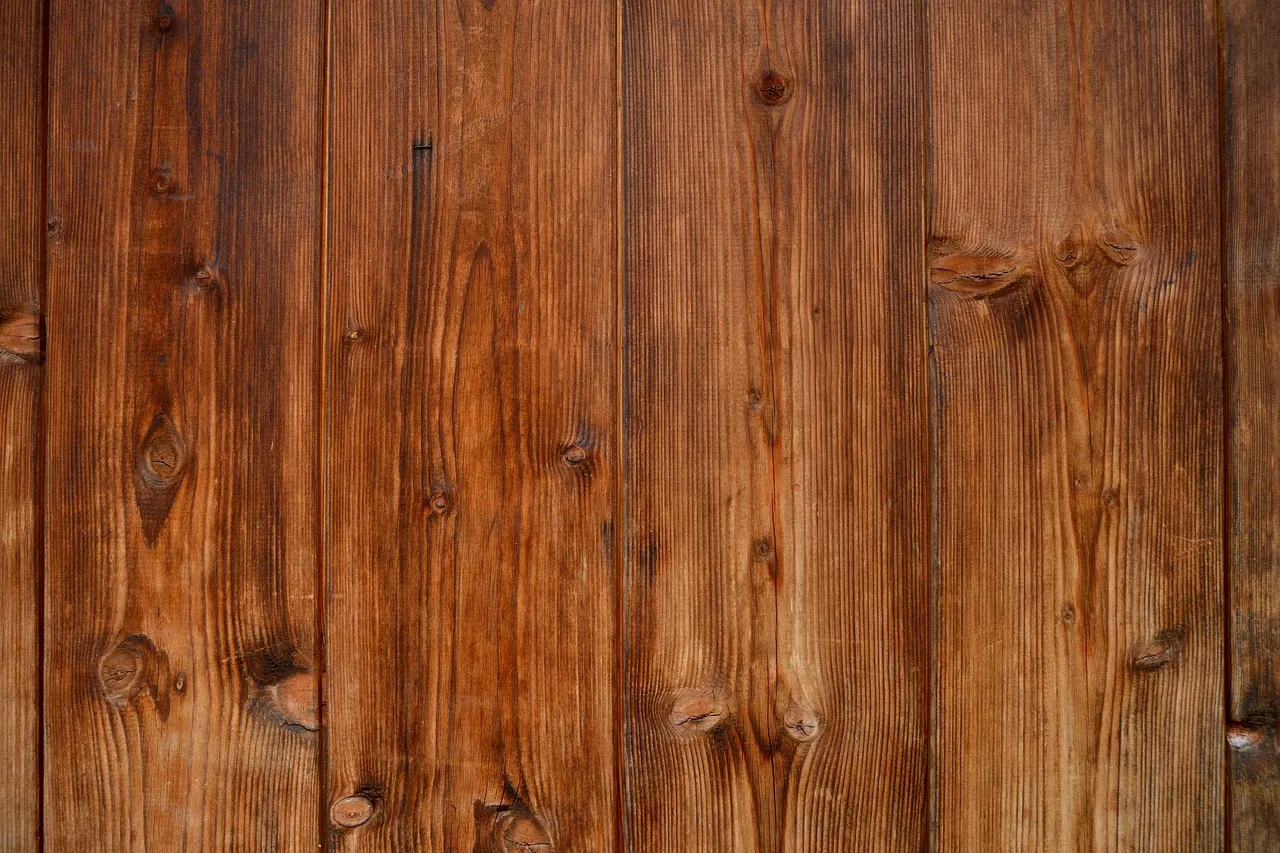
Timber fencing has long been a favourite in Australian backyards. It offers natural beauty, warmth and versatility, suiting everything from heritage homes to modern coastal designs. Paling fences, picket fences, horizontal slat fences and lapped and capped styles are all popular options.
One of timber’s biggest advantages is its look. It blends well with gardens and outdoor living areas, and it can be painted or stained to suit your home. It’s also relatively easy to repair, as individual palings or panels can be replaced.
However, timber requires more maintenance than metal options. Without regular sealing, staining or painting, it can weather, crack, warp or rot over time. Termites can be a concern in some areas, so choosing treated or naturally durable hardwoods is important. Timber is also combustible, which may be a consideration in bushfire-prone areas.
Common choices include treated pine, which is affordable and widely available, and hardwoods such as spotted gum, blackbutt and merbau, which offer greater durability and a rich appearance.
Steel: strength and low maintenance
Steel fencing, particularly colour-coated steel sheeting, is popular across Australian suburbs. It’s strong, durable and relatively affordable, offering excellent privacy and security.
Modern steel fencing comes in a wide range of colours, many designed to complement popular roofing and exterior colours. It’s resistant to termites and doesn’t rot, warp or crack like timber. It also requires minimal maintenance, usually just an occasional wash to remove dust and dirt.
Steel is non-combustible, making it a good option for some bushfire-prone areas, although it’s important to check local requirements and building standards.
The main drawbacks are that steel can dent if struck and may corrode over time, particularly in coastal areas or if the protective coating is scratched. Choosing products designed for your environment and installing them properly helps maximise lifespan.
Aluminium: lightweight and corrosion-resistant
Aluminium fencing has grown in popularity, especially for pool fencing, front fences and modern slat designs. It’s lightweight, strong and naturally resistant to rust, which makes it particularly well suited to coastal homes exposed to salt spray.
Powder-coated aluminium comes in a variety of colours and styles, from sleek horizontal slats to traditional picket designs. It requires very little maintenance and won’t rot, warp or attract termites.
Aluminium can be more expensive than steel or treated pine, depending on the design. It may also be less suitable for very high-security applications compared with heavier materials. However, its longevity and low maintenance often make it good value over time.
Matching the fence to your conditions
The best fencing material depends on your location, priorities and budget.
If you live near the coast, aluminium and appropriately rated materials are often better choices because of their resistance to corrosion. Timber can still work but will need regular maintenance.
In bushfire-prone areas, non-combustible materials such as steel or masonry may be recommended or required, depending on your property’s bushfire attack level.
For privacy, solid timber or steel panels provide good screening. For pool fencing, aluminium and glass are common choices, but they must meet strict safety standards.
Consider maintenance too. If you’d rather not spend weekends sanding and staining, steel or aluminium might be a better fit. If you love the look of natural materials and don’t mind upkeep, timber may be worth it.
Rules, neighbours and installation
Before building or replacing a fence, check local council regulations, as there may be rules about height, materials and location, particularly for front fences and properties in heritage areas. Pool fences must comply with specific safety standards.
If the fence is on a shared boundary, talk to your neighbour early. Each state and territory has rules about dividing fences and how costs are shared.
Professional installation helps ensure your fence is sturdy, level and built to last. A good fencing contractor can also recommend materials and designs that suit your property and conditions.
Also read: The Smart Driver’s Guide to Choosing Tyres in Worthing
A well-chosen fence adds value, privacy and peace of mind to your home. By considering Australian conditions and your own needs, you can choose a fence that looks great and stands strong for years to come.


